
Applications
Surface Water Flow in Ephemeral Regimes
Measuring the Presence & Absence of Stream Flow

Did you know that a majority of streams and rivers in the United States are considered intermittent or ephemeral? The USGS estimates that of the 3.5 million miles of rivers and tributaries in the United States, an estimated 58% of them flow intermittently or only during rain events (USGS, 2019). Does this mean these often dry river beds are less important to water and environmental management resources?
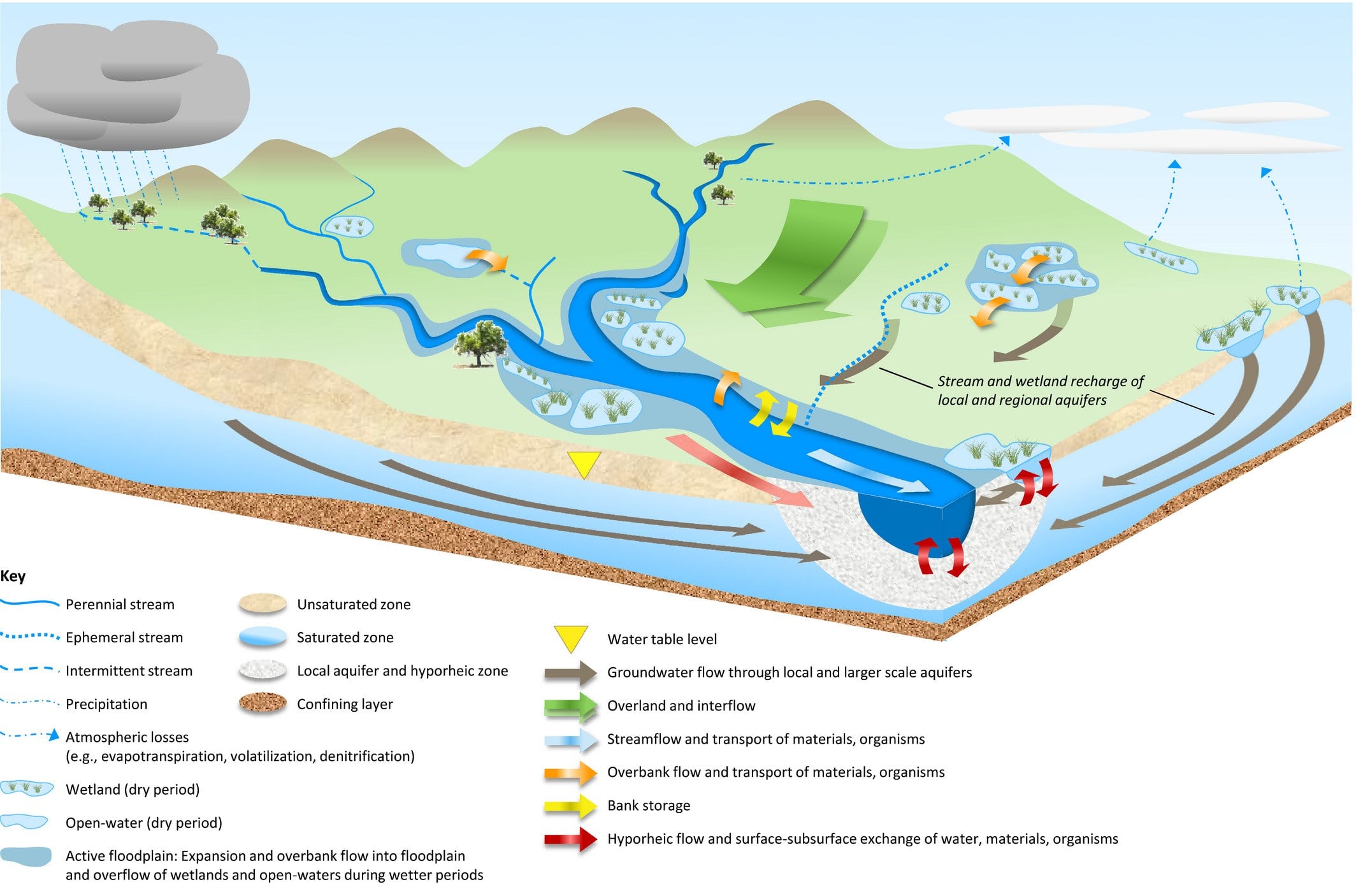
Ephemeral streams are temporary watercourses that flow only in direct response to precipitation events, such as heavy rainfall or snowmelt. They are not connected to groundwater sources.
Seasonal and rain-dependent streams, despite their transient presence in the landscape, play a vital role in maintaining the health and functionality of river systems. These smaller watercourses serve as essential hydrological and biological links to downstream waters, performing many functions similar to those of larger rivers and streams. Their significance can be better understood by examining their ecological, hydrological, and biological contributions.
Ecological Contributions
Seasonal and rain-dependent streams are crucial for nutrient cycling and sediment transportation. As water flows through these channels, it collects and transports organic matter, nutrients, and sediments from the surrounding land. This process enriches the downstream waters, providing necessary nutrients for aquatic plants and animals, and ensuring the overall health and productivity of the river ecosystem.
Hydrological Contributions
These temporary streams help regulate the flow of water within a watershed. They store excess water during periods of heavy rainfall and release it slowly into the river system, reducing the risk of flooding and erosion. Additionally, they recharge groundwater aquifers by allowing water to infiltrate the soil and replenish underground reserves, contributing to the overall water balance within the region.
Biological Connections
Seasonal and rain-dependent streams provide essential habitat for various flora and fauna. Many species of fish, amphibians, and invertebrates rely on these watercourses for spawning, feeding, and shelter. Moreover, the riparian vegetation around these streams offers nesting sites and food resources for birds and other wildlife. These habitats also serve as important corridors for species migration and dispersal, promoting genetic diversity and resilience within the broader ecosystem.
Importance of Monitoring Flow Rate and Volumes
- Water Resource Management: Monitoring the flow rate and volume of seasonal and rain-dependent streams provides valuable data for water resource management. This information helps determine the availability of water for various purposes such as irrigation, domestic use, and industrial applications. It also aids in allocating water resources efficiently and sustainably.
- Flood and Drought Prediction: By tracking fluctuations in flow rates and volumes, authorities can better predict and prepare for potential floods and droughts. This information allows for the implementation of preventative measures and reduces the negative impacts on communities and ecosystems.
- Ecosystem Health Assessment: The flow rate and volume of streams are essential indicators of ecosystem health. Changes in these parameters can signal alterations in water quality, habitat conditions, or the presence of pollutants. Regular monitoring enables early detection of potential threats and facilitates timely interventions to protect the ecosystem.
- Impact of Land-use Changes: Monitoring the flow rates and volumes of seasonal and rain-dependent streams helps assess the effects of land-use changes, such as deforestation, urbanization, and agriculture. Understanding these impacts can guide land-use planning and policy decisions to minimize adverse effects on stream health and downstream waters.
Methods for Monitoring Flow Rate and Volumes
Attended Instrumentation
Propeller-type flow meters are specifically designed for measuring flow rates and volumes in rivers and streams. These portable, user-friendly type devices allow operators to wade directly into the water body to obtain accurate and real-time measurements. They are often equipped with a telescoping handle, making it easy to reach various depths and distances while ensuring a stable position for the propeller. As the propeller rotates in response to the water flow, the device calculates the flow rate and volume based on the propeller's rotations per minute. These versatile instruments offer a reliable and efficient method for monitoring water resources and can be used in various applications, such as environmental research, hydrological studies, and flood management.
Doppler-type instruments are modern technology designed for high-accuracy flow and volume measurement in rivers and streams. These advanced tools employ acoustic Doppler technology, enabling users to wade into water bodies and obtain precise, real-time measurements without disrupting the natural flow. They are often equipped with a handheld control unit and a probe that sends and receives ultrasonic signals, which are used to calculate the flow velocity based on the Doppler effect. This non-intrusive method ensures minimal impact on aquatic ecosystems while delivering highly accurate data. The compact and portable design makes them ideal for various applications, including environmental research, water resource management, and flood monitoring.
Watercraft-style flow meters are specifically designed for situations where wading in the stream or river is deemed dangerous or impractical. Utilizing advanced acoustic Doppler technology enables accurate and non-intrusive measurements of flow rates and volumes by mounting the device on a small watercraft, such as a kayak or a remotely operated vehicle (ROV). This innovative approach ensures the safety of operators while providing reliable data on water flow dynamics in challenging environments, such as fast-flowing rivers, deep channels, or areas with turbulent water conditions. These style surveyors are particularly valuable for applications like flood monitoring, hydraulic studies, and environmental research, where precise and real-time flow measurements are crucial for informed decision-making. By employing this type of flow meter, professionals can overcome the limitations of traditional wading methods and ensure the efficient management of water resources while prioritizing safety.
Despite their numerous advantages, attended instrumentation has certain limitations when it comes to measuring flow rates in intermittent and ephemeral streams. One significant drawback is the difficulty in capturing various flow volumes during rain events. Since attended flow meters require an operator to be present for taking measurements, it is challenging to catch the start of flow, peak flow, and tapering of flow, which are critical for assessing the total impact of a rain event in ephemeral streams. The unpredictable nature of these streams and the short duration of flow events make it difficult for operators to be on-site at the right time, which may lead to incomplete data and inaccurate assessments of stream behavior. Consequently, this limitation could hinder effective water resource management and decision-making processes related to flood control, environmental research, and stream restoration efforts.
Unattended Instrumentation
Pressure transducers are versatile instruments widely employed to measure fluid levels in streams and rivers. These devices work by converting the hydrostatic pressure exerted by the water column above the sensor into an electrical signal, which is then translated into a fluid level measurement. As the water level changes, the pressure exerted on the transducer varies proportionally, allowing for continuous and accurate monitoring of fluid levels. Pressure transducers are typically installed at a fixed location within the water body, either submerged or mounted near the riverbed or streambed. They are suitable for various applications, including flood management, environmental research, and water resource monitoring. By utilizing pressure transducers, professionals can obtain real-time data on fluid levels, enabling them to make informed decisions and implement effective strategies for managing and preserving our valuable water resources.
An available "event" feature available with some brands of pressure transducer is a valuable functionality that significantly enhances the efficiency of data collection and analysis. This feature ensures that the device only collects data when certain conditions change, such as water level fluctuations or flow variations in streams and rivers. By focusing on these changes, the pressure transducer can effectively capture critical events, such as the start, peak, and tapering of flow during rain events, without recording unnecessary data during dry stream bed conditions.
This targeted approach to data collection not only conserves battery life and storage capacity but also simplifies data analysis by providing a clear and concise record of specific events. As a result, researchers and water resource managers can review the data more efficiently, focusing on periods of activity that are most relevant to their objectives. This enables them to make better-informed decisions about water resource management, flood control, and environmental conservation efforts, ultimately contributing to the sustainable management of our precious water resources.
Unattended Doppler flow meters are sophisticated and reliable instruments designed for continuous monitoring of flow rates in streams, rivers, and outfalls. Harnessing the power of acoustic Doppler technology, these devices offer non-intrusive, accurate measurements without the need for an operator to be present. The SonTek IQ is engineered to provide real-time data on flow rates and volumes, making it an invaluable tool for water resource management, environmental research, and flood monitoring applications. Its unattended functionality ensures that critical flow information is captured during various flow conditions, including intermittent and ephemeral events. Additionally, the SonTek IQ is built to withstand harsh environments and is easily installed at fixed locations, ensuring long-term, consistent data collection. By utilizing the SonTek IQ unattended Doppler flow meter, professionals can effectively monitor and manage water resources, contributing to the sustainable preservation of our vital aquatic ecosystems.
Remote Telemetry with Unattended Instrumentation
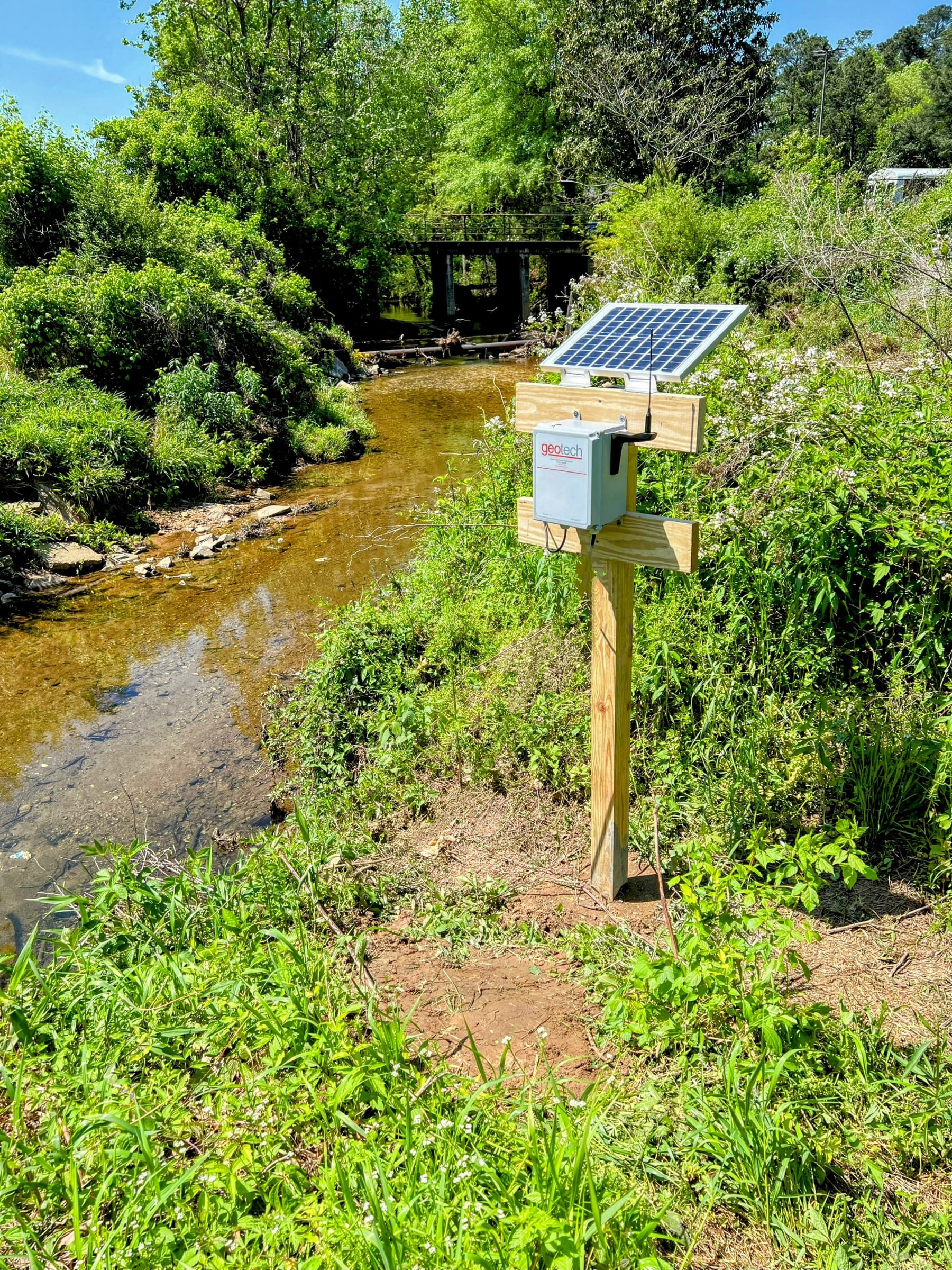
Telemetry systems are an ideal solution for remote data transmission and monitoring, particularly beneficial when implementing an unattended stream flow station. By integrating telemetry with flow meters and other sensors, professionals can access real-time data on flow rates, water levels, and various water quality parameters from remote locations. This innovative approach offers several advantages, including reduced site visits, lower operational costs, and improved safety, as personnel no longer need to travel to challenging or hazardous locations for data collection.
Furthermore, these systems allow for continuous monitoring of flow conditions, ensuring that critical events such as floods or changes in water quality are detected promptly. This timely information enables swift decision-making and effective response strategies, ultimately contributing to more efficient water resource management, environmental research, and flood control efforts.
In Conclusion
The collection and analysis of intermittent and ephemeral stream flow data play a crucial role in understanding and managing our valuable water resources and protecting dependent ecosystems. Given the diverse environmental conditions and the varying levels of data accuracy required, selecting the appropriate approach, whether attended or unattended instrumentation, is vital for achieving site objectives. Geotech Environmental Equipment is committed to helping you navigate these options and identify the best technology tailored to your specific needs. By partnering with Geotech Environmental Equipment, you can ensure that your monitoring efforts are both efficient and effective, ultimately contributing to the sustainable management and preservation of our precious aquatic ecosystems.
Sources:
- USGS (2019, March 3) Streamgaging Basics [USGS Water Resources Mission Area].
- Earth Syst. Sci. Data, 11, 1363–1374 (2019) https://doi.org/10.5194/essd-11-1363-2019
Need to monitor an ephemeral stream?
Geotech supplies flow meters, pressure transducers, and telemetry systems built for both attended and unattended stream monitoring.