
Applications
Ensuring Clean Air in US Microchip Manufacturing
A Summary of VOC Monitoring

Technology Considerations:
The US microchip industry is experiencing a resurgence, driven by government incentives, supply chain concerns, and national security. This renewed focus on domestic production brings with it a responsibility to minimize environmental impact, one regarding the emission of volatile organic compounds (VOCs) during the manufacturing process.
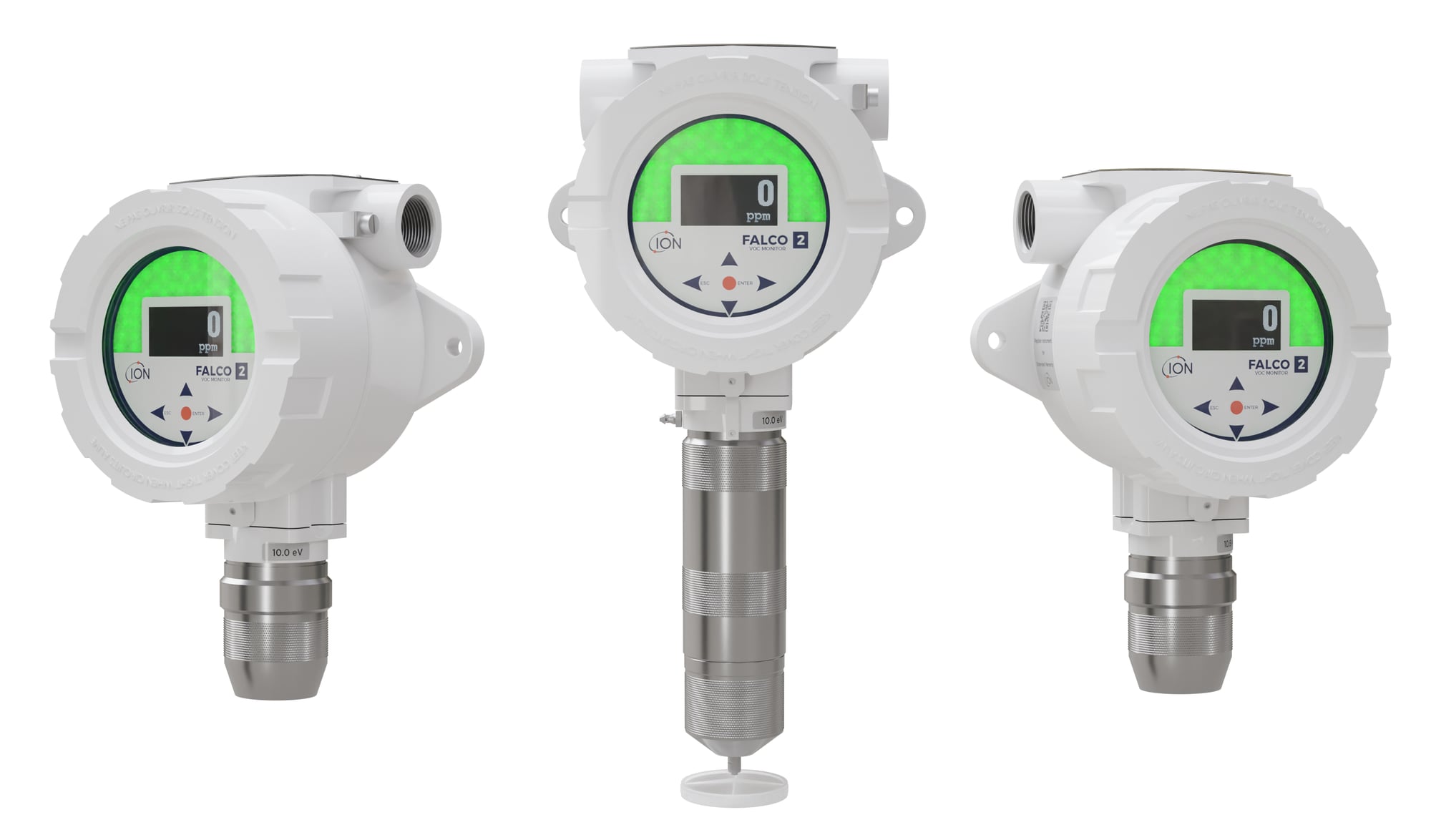
Geotech recently partnered with a leading microchip manufacturing contractor in the USA to address this challenge. We installed multiple fixed photoionization detector (PID) VOC Meters throughout their facility, focusing on critical areas like the large vaults used to capture and extract VOCs generated during production. This proactive approach to VOC monitoring not only ensures environmental compliance but also contributes to worker safety and overall sustainability.
Microchip Production Basics
Before delving into the specifics of VOC monitoring, it's good to have a basis of understanding of the process of microchip manufacturing. These tiny but powerful components, also known as integrated circuits, are at the heart of modern electronics. Their production involves a series of precise steps, each with potential environmental considerations:
- Wafer Production: Highly purified silicon is used to create thin discs called wafers, the foundation of the microchip.
- Photolithography: Intricate patterns are etched onto the wafers using a process called photolithography, which involves light-sensitive materials and precise etching techniques.
- Deposition and Etching: Layers of various materials are deposited and etched onto the wafer to build the microchip's structure and circuitry.
- Ion Implantation: Impurities called dopants are introduced into the silicon to modify its electrical properties, enabling the chip's functionality.
- Metallization: A thin layer of metal, usually aluminum or copper, creates the interconnections between the microchip's components.
- Testing and Packaging: The finished wafers are rigorously tested, and individual chips are cut and packaged for use in electronic devices.
VOCs and the Need for Monitoring
Many of the chemicals used in microchip fabrication can release VOCs. These compounds readily evaporate at room temperature and can contribute to air pollution and pose health risks. Effective VOC monitoring is crucial for mitigating these concerns.
Our Solution: Fixed PID VOC Meters
Our team strategically placed fixed PID VOC meters in key locations within the microchip manufacturing facility. These meters provide continuous, real-time data on VOC levels, enabling the manufacturer to:
- Ensure Compliance: Meet regulatory requirements for VOC emissions and avoid potential penalties.
- Optimize Extraction: Fine-tune the performance of VOC extraction systems in the vaults for maximum efficiency.
- Protect Workers: Maintain a safe and healthy work environment by monitoring VOC concentrations.
- Promote Sustainability: Minimize environmental impact and demonstrate a commitment to responsible manufacturing.
Conclusion
As the US reclaims its position in microchip manufacturing, environmental impacts are over sought. By implementing VOC monitoring solutions, microchip manufacturers can proactively minimize their environmental footprint, protect worker health, and contribute to a more sustainable future for this vital industry.
Access more application and product resources via Geotech TechTalks
Need fixed VOC monitoring for your facility?
Talk to a Geotech applications specialist about fixed PID VOC meters for manufacturing and industrial air quality.