
Applications
Introduction to XRF in Art & Archaeology

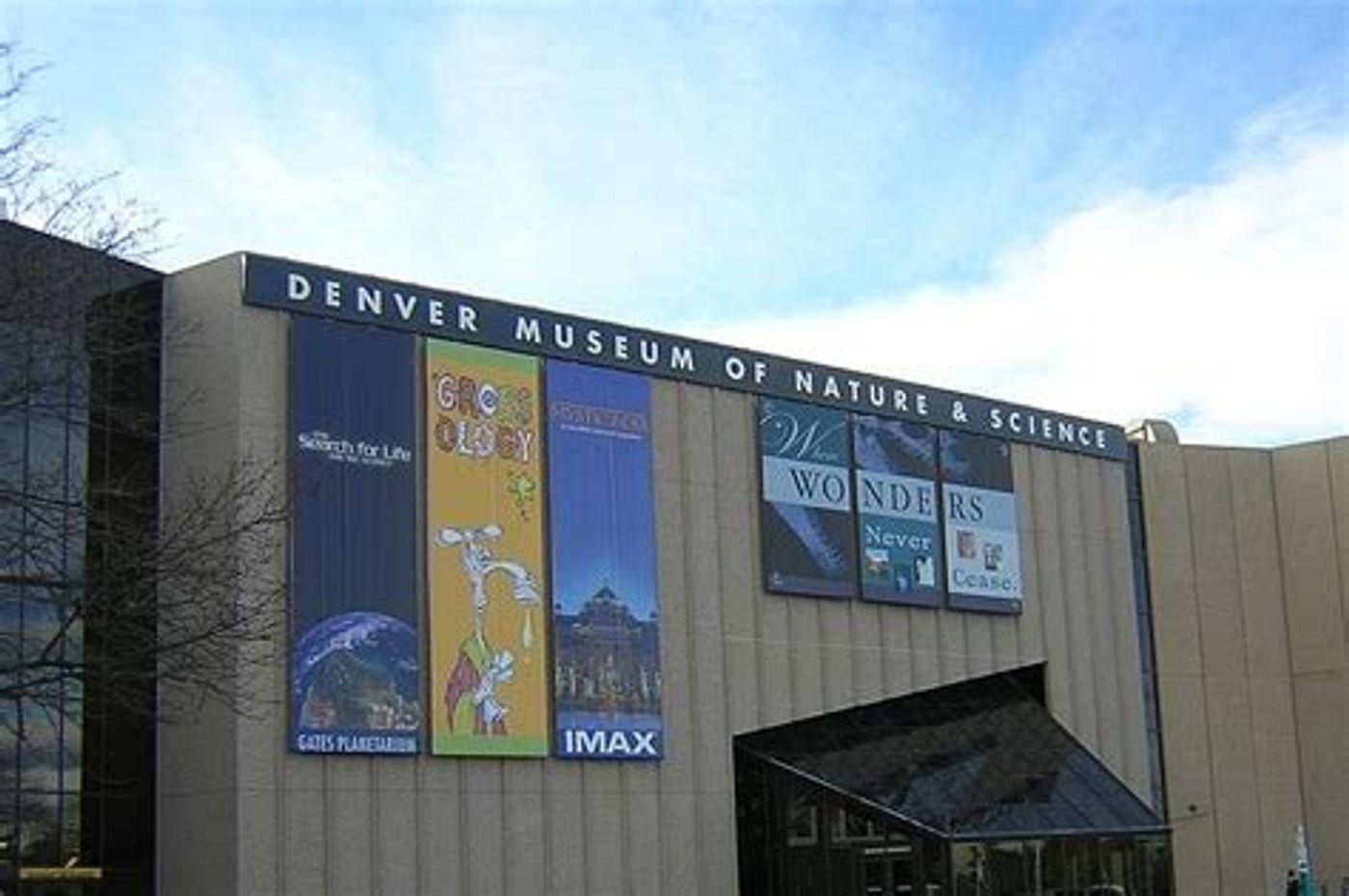
Geotech recently forged a partnership with the Denver Museum of Nature and Science (DMNS), leveraging the power of X-Ray Fluorescence (XRF) technology for artifact study and confirmation of results. XRF is a non-destructive analytical technique used to determine the elemental composition of materials. In our collaboration, this powerful tool was employed to scan artifacts, revealing critical insights into their composition and preservation methods.
In historic times, toxic metals such as Mercury and Arsenic were commonly used to preserve artifacts. XRF technology can accurately identify these trace metals, providing essential information for the proper conservation of these items. Moreover, the identification of these metals helped confirm the authenticity and historical period of these artifacts, as different preservation practices have evolved over time.
Case Study - Native American Artifact
Our team had the unique opportunity to assist DMNS in setting up their new XRF instrument and scanning some of their archived artifacts. A notable instance involved an early Native American blanket. The XRF analysis revealed that the blanket was preserved using Arsenic, a discovery that had significant implications for its storage and handling.
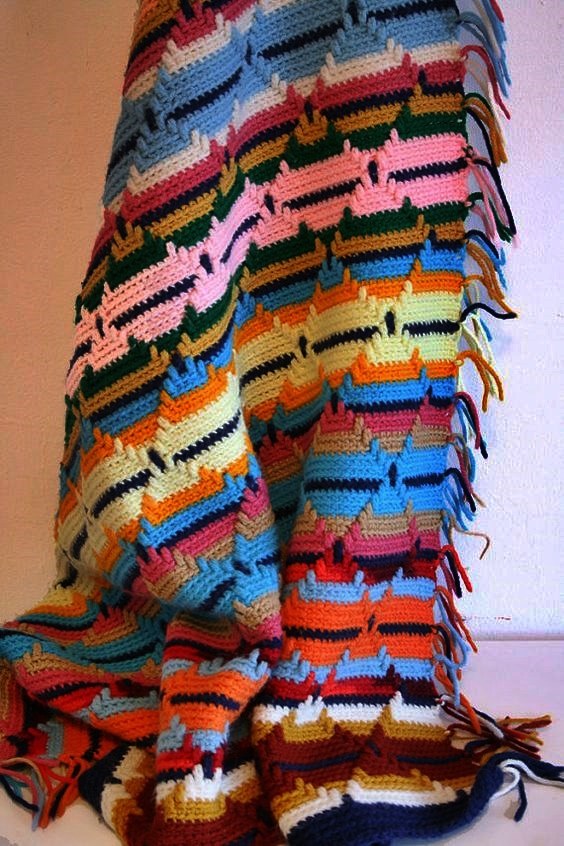
The presence of Arsenic meant that the blanket needed to be stored in a properly ventilated area to ensure safety. This is because Arsenic can off-gas, posing potential harm to those in its vicinity. Thus, the use of XRF provided not only valuable historical insights but also vital health and safety guidance to the DMNS team.
The Impact of XRF on Art & Archaeology
This partnership between Geotech and DMNS underscores the immense value of XRF technology in the field of art and archaeology. By accurately identifying the composition of artifacts, XRF allows for informed conservation strategies, ensuring the longevity of these precious pieces of history.
Furthermore, by confirming the validity and historical period of these artifacts, XRF helps to enrich our understanding of history and the evolution of preservation practices. As this technology continues to evolve, it will undoubtedly open up new avenues for exploration and discovery in the fascinating world of art and archaeology.
Product Resources:
Curious what XRF could reveal in your work?
Explore Geotech's handheld XRF analyzers, available to buy or rent, and talk to a specialist about non-destructive elemental analysis for your application.