
Tech
Unraveling Oxidation-Reduction Potential (ORP)
A Key Indicator in Environmental Health

Oxidation-reduction potential (ORP) serves as an integral gauging tool within the scope of environmental monitoring and remediation efforts. This article explores the fundamentals of ORP measurement, its implications on water quality, and its significance as an indicator of the capacity for contaminant and biological matter degradation within aqueous ecosystems.
Introduction to ORP
Oxidation-Reduction Potential (ORP), also known as Redox Potential, is a chemical metric that reflects the electron transfer capacity of an environment. In more practical terms, it is a measure of the propensity of a given medium to either gain or lose electrons during chemical reactions. The relevance of ORP extends to various fields but is particularly crucial in environmental science where it assesses water health and contaminant breakdown efficiency.
Chemistry Behind ORP
Oxidation: Chemically, oxidation pertains to the loss of electrons by a molecule, atom, or ion. This process is integral to energy production and biochemical reactions within natural and engineered systems. Typically, an oxidizing agent gains the electrons lost by another species, facilitating essential environmental processes.
Reduction: Conversely, reduction involves the gain of electrons. Reducing agents donate electrons to other substances, enabling numerous chemical transformations critical to maintaining ecological balance and remediating pollutants.
Measurement Techniques for ORP
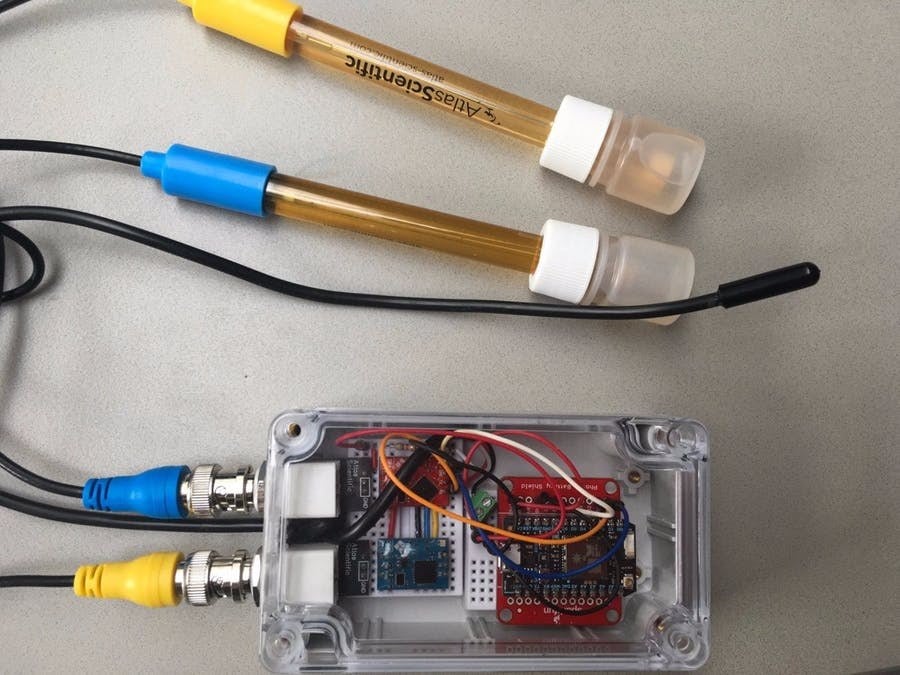
The measurement of ORP is conducted using specialized instrumentation that employs a set of electrodes—one platinum and one reference electrode. A low voltage applied across these electrodes provides insight into the electron transfer phenomena taking place in the tested environment. The resultant potential difference is quantified in millivolts (mV).
Interpreting ORP Readings: Positive ORP readings (+mV) denote an oxidizing environment, suggestive of conditions that support reactions necessary for breaking down contaminants. Conversely, negative ORP readings (-mV) represent reducing conditions, which are equally important in different stages of organic matter decomposition and biogeochemical cycles.
Implications and Significance of ORP in Environmental Contexts
ORP is particularly relevant in monitoring water systems with significant redox-sensitive species concentration, such as metallic salts and strong oxidants or reductants (e.g., chlorine, sulfite ions). ORP measurements can thus serve as indicators of metallic pollution levels or the effectiveness of remediation strategies in groundwater or surface bodies.
Biochemical Reactions and ORP Ranges
Certain key biochemical reactions correspond with specific ORP ranges, indicative of the prevailing environmental conditions required or generated by these processes:
- Nitrification: +100 to +350 mV
- cBOD (carbonaceous Biochemical Oxygen Demand) degradation with molecular oxygen: +50 to +250 mV
- Biological phosphorus removal: +25 to +250 mV
- Denitrification: +50 to -50 mV
- Sulfide (H2S) formation: -50 to -250 mV
- Biological phosphorus release: -100 to -250 mV
- Acid formation (fermentation): -100 to -225 mV
- Methane production: -175 to -400 mV
(Above section sourced from YSI)
These ORP values indicate the electrochemical environments under which these reactions thrive, guiding environmental engineers and scientists in their assessment and intervention strategies.
Conclusion
Understanding and accurately measuring ORP is crucial for proper environmental assessment and management. It assists in discerning whether an ecosystem is conducive to specific biochemical reactions and plays a pivotal role in the detection of waterborne pollutants and the implementation of remediation efforts.
Product Resources:
- Unattended Single Parameter Water Quality Sensors
- Unattended Multi-Parameter Water Quality Sensors
- Attended Water Quality Sensors
- Calibration Solutions
- Remote Telemetry & Reporting
Contact a Geotech technology specialist to learn more about water quality instrumentation supplied and supported by Geotech.
Access more application and product resources via Geotech TechTalks
Need to measure ORP in the field?
Geotech supplies attended and unattended water quality sensors that measure ORP alongside other key parameters.