
Tech
Understanding Dissolved Oxygen
Its Importance, Measurement, & Impact on Aquatic Life

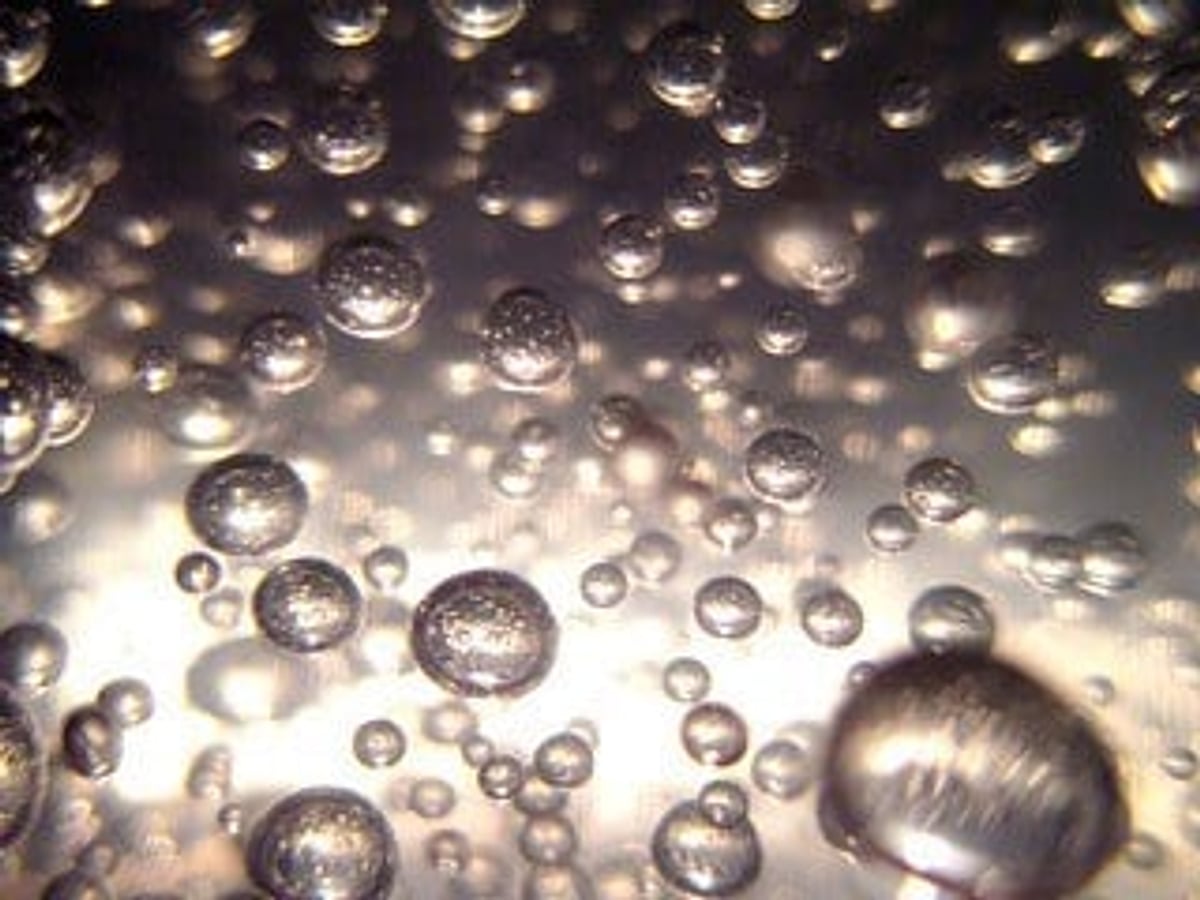
Dissolved oxygen, a cornerstone parameter in a multitude of aquatic environments, plays a critical role in sustaining life beneath the water's surface. It refers to the volume of free, non-compound oxygen existing in water or other liquids. This is the oxygen readily available for aquatic organisms to use for respiration – a fundamental process for survival and growth.
In ecosystems such as groundwater, rivers, lakes, and oceans, dissolved oxygen levels can be a clear indicator of the overall health and biodiversity of the system. Too low levels can lead to hypoxia, a condition detrimental to most aquatic life forms, while unnaturally high levels can be indicative of excessive algal growth, often spurred by nutrient pollution.
Monitoring these dissolved oxygen levels is of paramount importance across a variety of applications. In water treatment facilities, for instance, maintaining appropriate oxygen levels is essential for the aerobic bacteria that help break down pollutants. Similarly, in the aquaculture industry, such as fish farming, regular monitoring ensures the water quality is optimal for the species being cultivated, thereby maximizing their growth and reducing mortality rates.
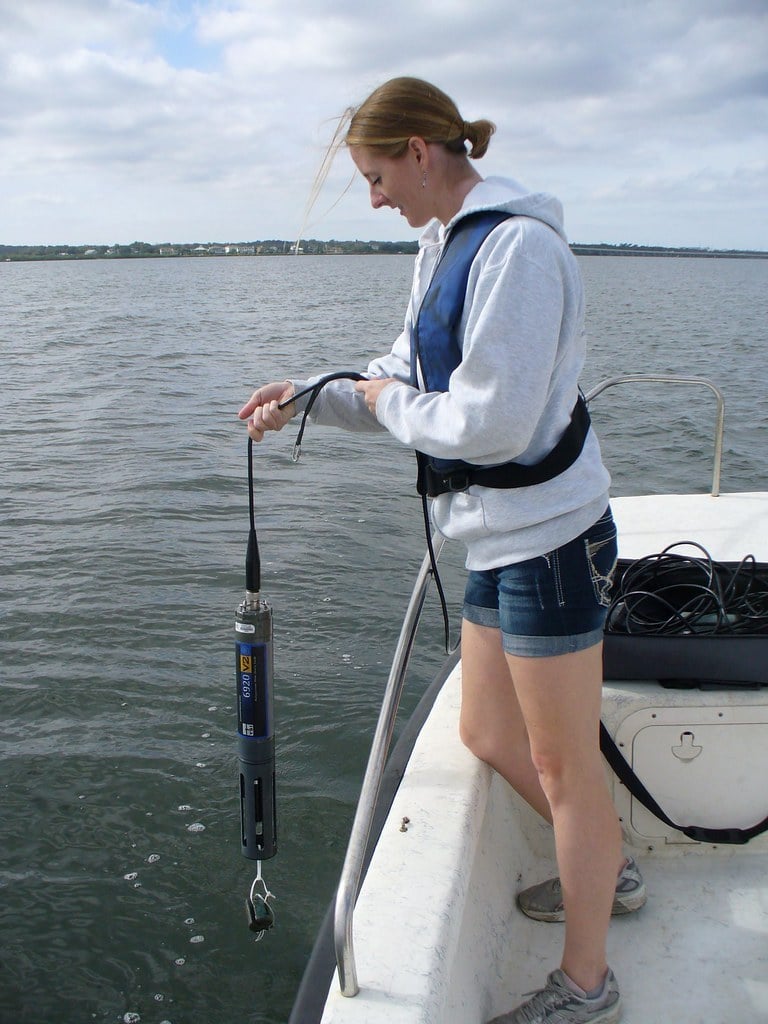
The task of measuring dissolved oxygen has been simplified with the advent of sophisticated sensors. There are primarily three types of sensors used in this regard: polarographic, galvanic, and optical (also known as digital) sensors.
Polarographic Sensors
Polarographic dissolved oxygen sensors, also known as Clark electrodes, have been in use since the 1950s. They operate based on the principle of reducing oxygen at a cathode. The sensor consists of a gold or silver cathode and an anode immersed in an electrolyte solution, all of which are enclosed within a gas-permeable membrane. When a polarizing voltage is applied, oxygen that diffuses through the membrane is reduced at the cathode, generating a current proportional to the concentration of dissolved oxygen.
These sensors require a warm-up period for the voltage to polarize the system before accurate measurements can be taken. Also, they need regular maintenance, including membrane replacement and electrolyte replenishment.
Galvanic Sensors
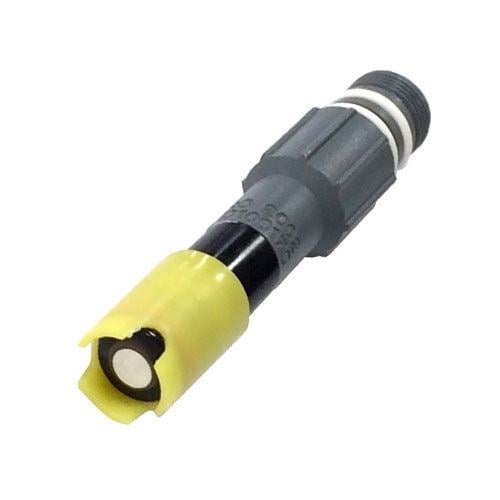
Galvanic dissolved oxygen sensors work on a similar principle as polarographic sensors. They consist of two electrodes (usually a lead anode and a gold or silver cathode) and an electrolyte, enclosed by a gas-permeable membrane. Oxygen diffusing through this membrane causes a chemical reaction that produces an electrical current proportional to the oxygen concentration.
Unlike polarographic sensors, galvanic sensors do not require a polarizing voltage and can provide instant readings. They tend to have a longer lifespan but still require regular maintenance, such as membrane changes and electrolyte refills.
Digital Dissolved Oxygen Sensors
Digital dissolved oxygen sensors represent the latest evolution in this technology. These sensors use optical methods to measure dissolved oxygen levels, eliminating the need for membranes or electrolytes. They consist of a sensing element embedded with a luminescent dye. When the dye is exposed to specific wavelengths of light, it emits light in response. The duration and intensity of this emitted light are affected by the presence of oxygen molecules, allowing the sensor to determine the oxygen concentration.
Digital sensors offer several advantages over their polarographic and galvanic counterparts. They have minimal maintenance requirements, longer lifetimes, and faster response times. They can also be integrated with digital communication protocols for easy data management.
In conclusion, each of these technologies has its strengths and limitations. The choice between polarographic, galvanic, or digital dissolved oxygen sensors will depend on the specific requirements of the application, including accuracy needs, maintenance capabilities, and budget considerations.
Choose Geotech for dissolved oxygen instrumentation. Whether you need equipment for attended sampling or unattended monitoring, we've got you covered. We offer a wide range of brands available for purchase and rental to meet all your water quality testing needs. Our extensive product line includes brands like In-Situ, YSI, Aqualabo, Seametrics, Aquaread, and Oakton. But our commitment to your success doesn't stop at providing top-notch equipment. We also provide complete instrument calibration and repair services, ensuring that your tools maintain optimal performance for precise and reliable measurements. Trust Geotech for all your dissolved oxygen instrumentation needs.
Product Resources:
Ready to choose the right DO sensor for your application?
Explore Geotech's dissolved oxygen instruments for attended sampling or unattended monitoring, across brands like In-Situ, YSI, Aqualabo, Seametrics, Aquaread, and Oakton.