
Tech
Beyond the Box: What Really Differentiates Telemetry Systems?

At first glance, many remote monitoring telemetry systems might appear to be interchangeable, simply different boxes performing the same basic function: gathering data from a remote site and sending it to the cloud. While the end goal is indeed consistent, the devil (and the data quality, flexibility, and long-term cost) is truly in the details of their design and functionality.
Let's unpack the key differentiators beyond just the enclosure.
1. The Agnostic vs. Proprietary Divide: Sensor Compatibility
Let's unpack the key differentiators beyond just the enclosure.
This is arguably the most significant distinction in telemetry systems.
Sensor-Agnostic Systems: The Open Ecosystem
- What they are: These systems, featuring a versatile data logger and telemetry hardware, are designed to connect to nearly any sensor technology that speaks common communication protocols like 4-20mA, SDI-12, Modbus, or Pulse. Think of it like a universal adapter.
- The Upside: This "plug-and-play" compatibility (within the specified protocols) offers incredible flexibility. Users have the freedom to choose from a wide array of sensor brands at the time of initial deployment and, crucially, when scaling their system in the future. This is a massive advantage when new, advanced sensor technologies are released – upgrades are often simple, requiring just the new sensor.
- The Downside: While offering choice, sourcing multiple brand components can sometimes complicate troubleshooting. If an issue arises, determining whether the sensor, logger, or communication is at fault can be a challenge. This is where Geotech offers a distinct advantage: we provide both agnostic telemetry systems AND a broad range of compatible sensors, keeping technical support under one roof. Our in-house integration expertise means you get the best of both worlds – flexibility with unified support.
Proprietary Systems: The Integrated Solution
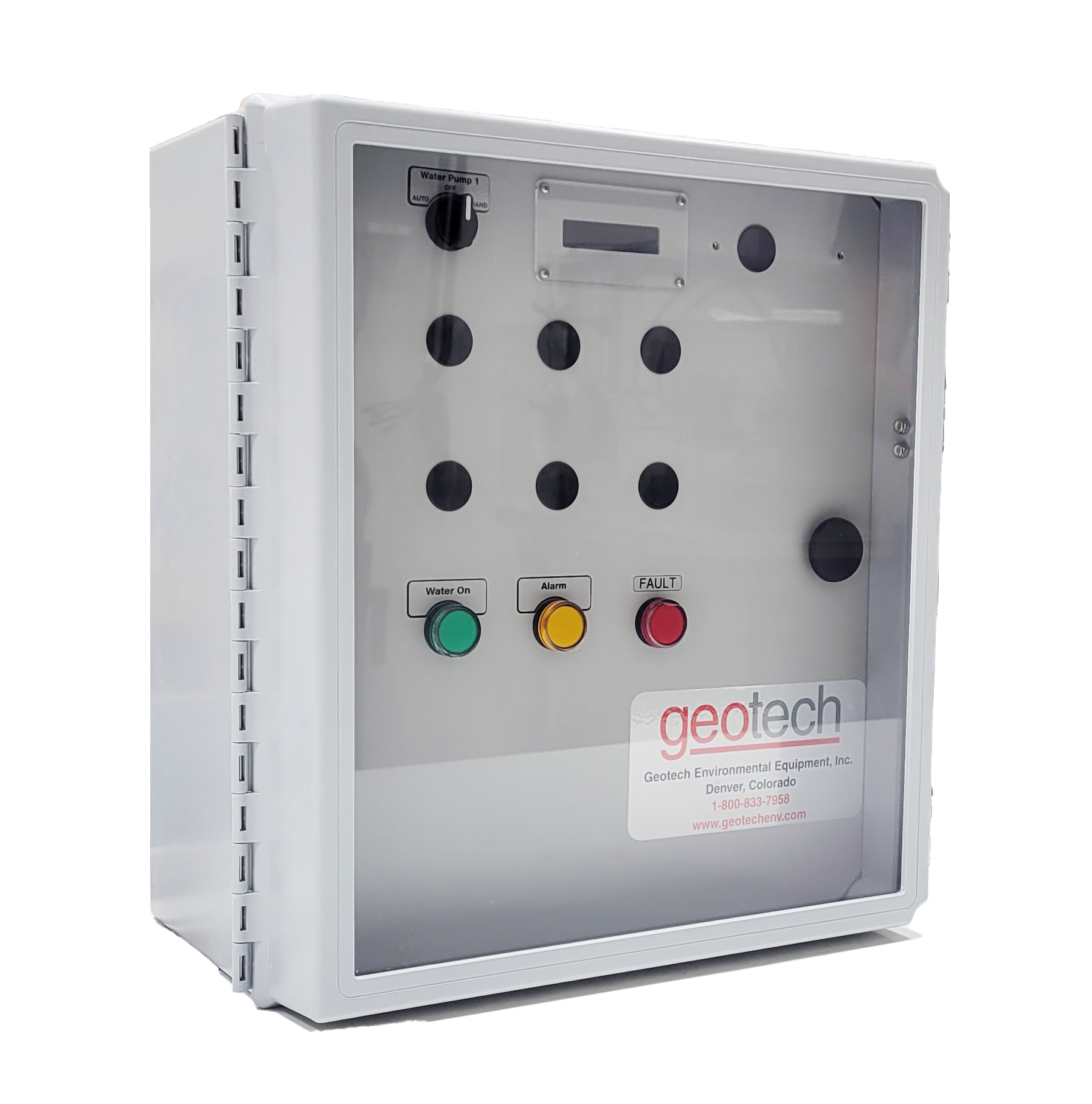
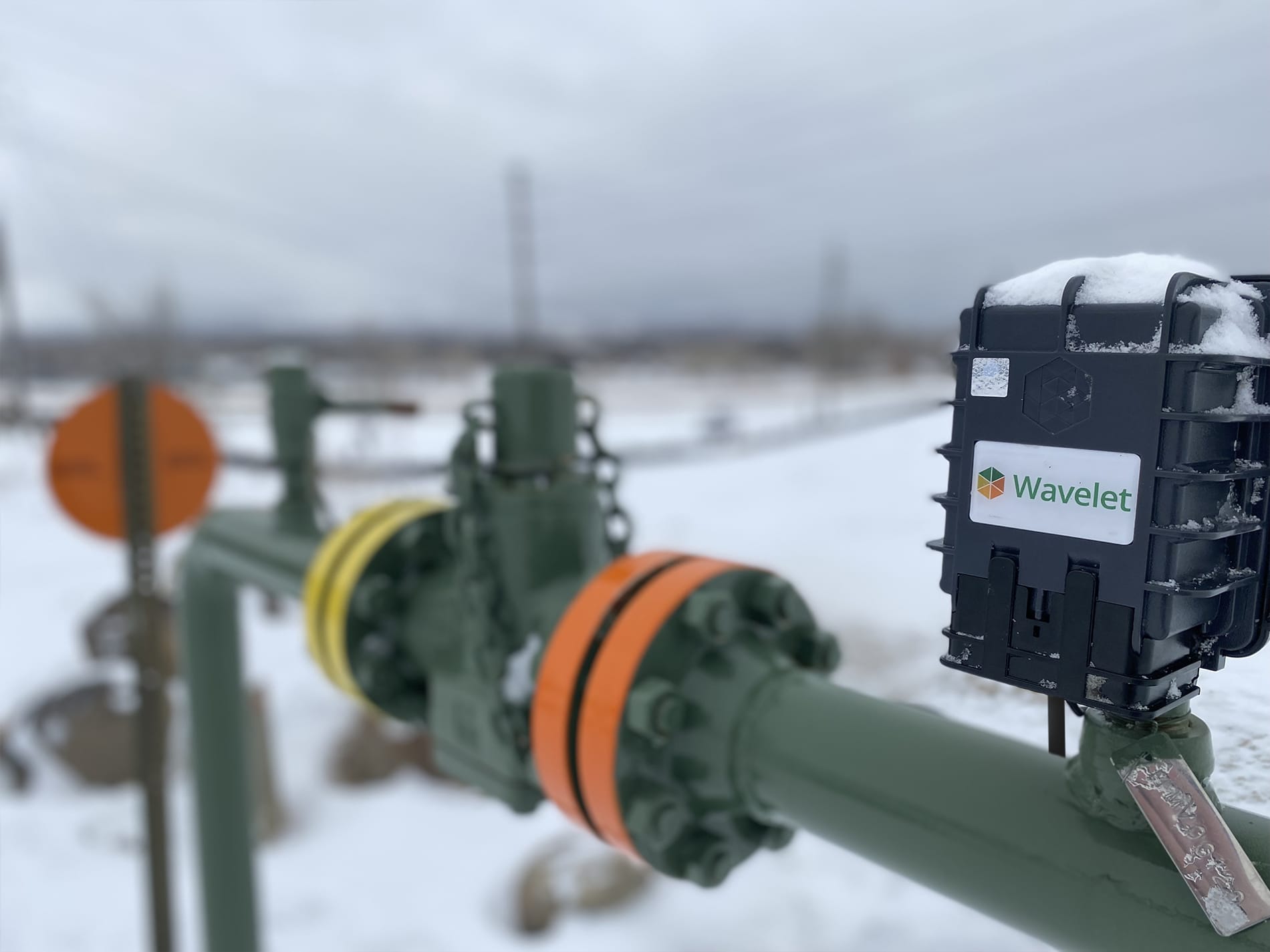
- What they are: These systems are designed to work exclusively with approved or authorized sensors from a specific manufacturer or a tightly integrated ecosystem.
- The Upside: Proprietary environments tend to be incredibly robust because the integration has been meticulously done by the manufacturer. "Plug-and-play" functionality is often a key feature, minimizing setup complexities. Furthermore, technical support is typically funneled down to a single organization, simplifying issue resolution.
- The Downside: Users are inherently "married" to that specific brand and the range of technology available within their integrated system. This can create significant scalability challenges and a distinct lack of long-term flexibility if your project needs evolve beyond what the proprietary system offers. You might miss out on cutting-edge sensor innovations from other manufacturers.
2. Powering Your Project: Beyond the Built-In Battery
While some basic telemetry systems rely solely on internal batteries, the best solutions offer diverse and robust power options crucial for reliable, continuous monitoring, especially in remote or challenging environments.
Considerations:
- Solar Power: Ideal for remote locations without grid access. Efficient solar panels paired with robust battery banks ensure continuous operation, even during extended cloudy periods.
- AC Power: The most straightforward option where grid power is available, ensuring consistent power delivery.
- Redundant Power Options: For mission-critical applications, systems offering redundant power (e.g., solar with battery backup, or AC with a robust battery system) are invaluable. This safeguards against power outages, extended adverse weather events, or system malfunctions, ensuring your data stream remains uninterrupted.
3. Data Accessibility & Cloud Service Costs: The Hidden Expenses
The convenience of cloud-based data access is a primary driver for remote monitoring, saving significant time and cost compared to manual data retrieval. However, not all cloud services are created equal, and costs can quickly accumulate if you're not careful.
Key Questions to Ask:
- User Licenses: Does the cloud service charge for additional users? Some providers offer unlimited user access, while others implement tiered licensing that can become costly as your team grows.
- Tiered Access & Permissions: Can you assign different levels of user access and permissions? This is vital for data security and managing who can view, download, or configure your system.
- Data Volume & Retention: Are there charges for data volume transmitted or stored? How long is data retained, and are there fees for extended retention?
- Reporting and Analytics Features: What analytical tools, dashboards, and reporting capabilities are included, and are there extra charges for advanced features or custom reports?
Geotech's Holistic Approach
At Geotech, we understand that selecting the right telemetry system is about more than just the hardware; it's about finding a solution that offers the optimal balance of flexibility, reliability, and long-term value for your specific application.
That's why we provide a broad range of telemetry systems and sensors, embracing both proprietary and agnostic technologies. We offer leading brand sensors alongside our own, backed by in-house integration expertise and comprehensive technical support. Our team of application and product experts is ready to discuss your unique project requirements, explore all available options, and help you find the right system to meet your data collection and reporting goals.
Don't settle for "just another box." Invest in a telemetry solution that truly empowers your remote monitoring efforts.
Not sure which telemetry system fits your project?
Explore Geotech's agnostic and proprietary telemetry systems, or talk to an applications specialist about sensor compatibility and power options for your site.