
Tech
Portable vs Dedicated Groundwater Sampling Pumps
Pros vs Cons

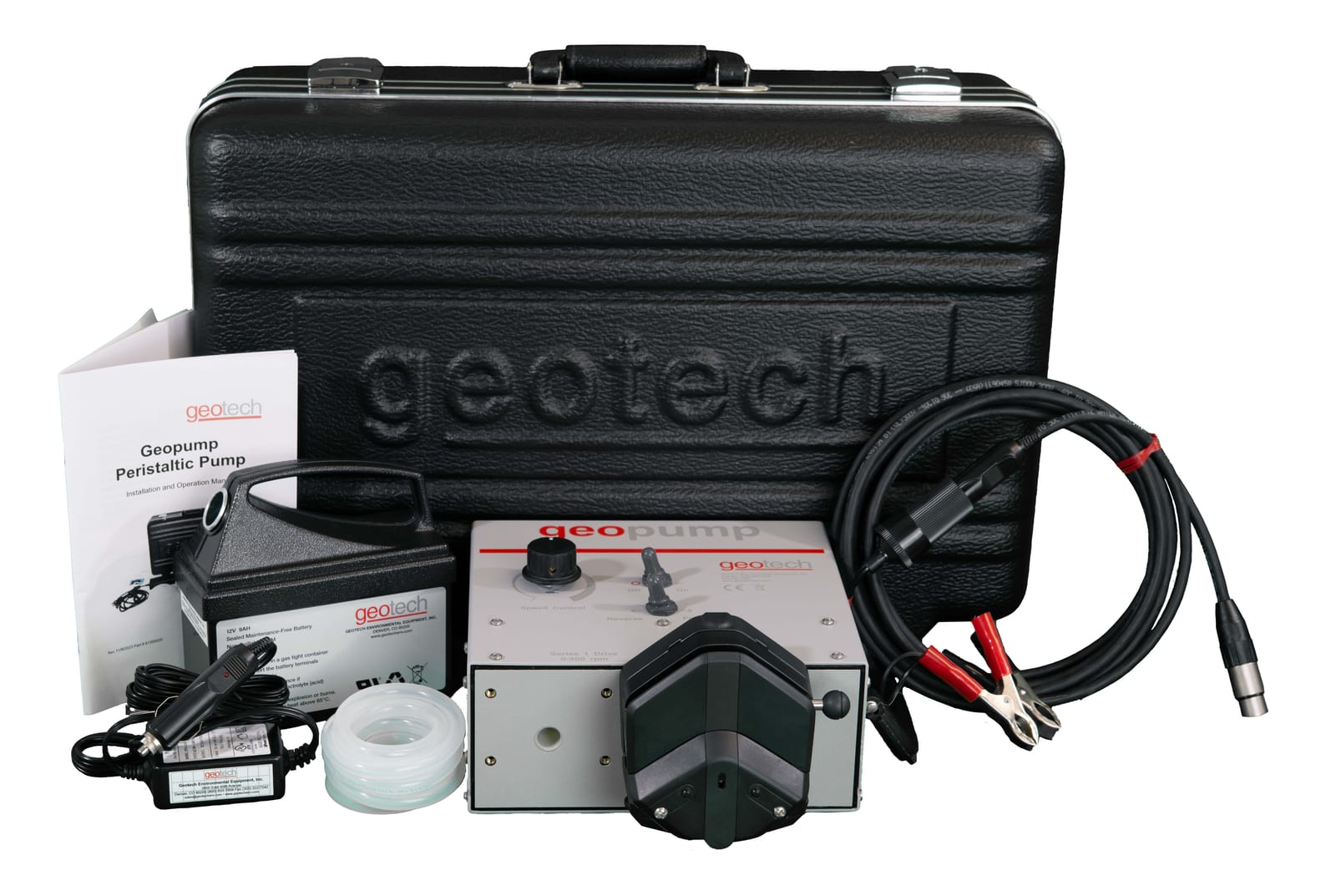
Groundwater sampling pumps have a rich history, dating back to the development of the Geotech Geopump in collaboration with the United States Geological Survey (USGS). The primary purpose of this pump was to collect shallow groundwater and surface water samples, often for trace-metals analysis. This innovation marked a significant milestone in the environmental industry, as it paved the way for more accurate and efficient sampling methods.
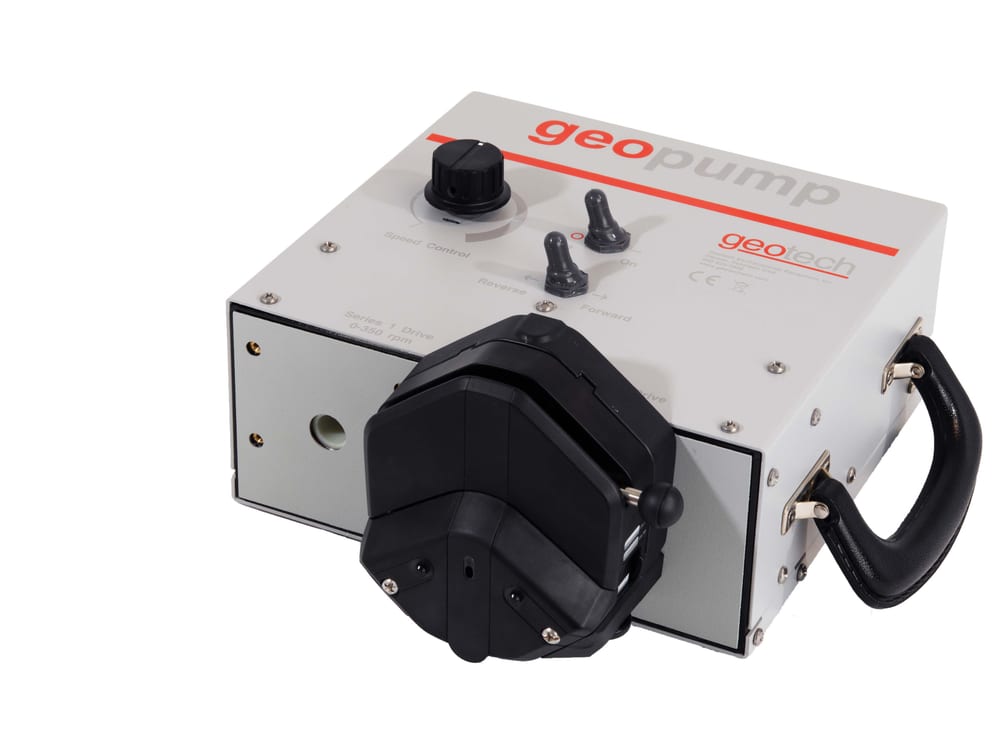
Since the introduction of the Geotech Geopump, numerous other groundwater sampling pumps have been developed and gained widespread popularity. Among these are bladder pumps and electric submersible pumps, which offer unique advantages in specific applications.
Bladder pumps, for instance, are known for their ability to prevent sample degassing and minimize the risk of cross-contamination. These features make them particularly suitable for collecting volatile organic compound (VOC) samples and maintaining sample integrity during transportation and analysis.
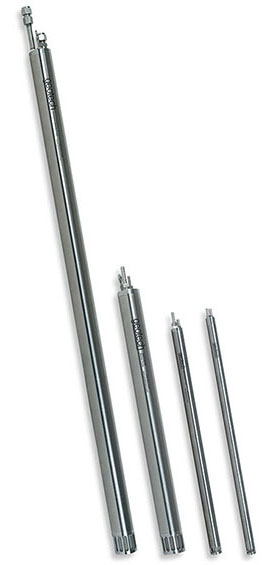
Electric submersible pumps, on the other hand, provide excellent versatility and adaptability. They can be used in various well diameters and depths, allowing for a wide range of sampling applications. These pumps are also valued for their ease of use and relatively low maintenance requirements, making them a popular choice among environmental professionals.
The choice between dedicating a pump system or continuing to use portable systems depends on several factors related to project requirements, site conditions, and budget constraints. Here are some key considerations that can help determine when it makes sense to dedicate a pump versus using portable systems:
Among these are bladder pumps and electric submersible pumps, which offer unique advantages in specific applications.
- Project Duration: For short-term projects or those requiring sampling at multiple locations, portable systems offer greater flexibility and cost-effectiveness. However, for long-term monitoring projects or continuous sampling, dedicated systems may be more suitable due to their reduced risk of cross-contamination and consistent performance over time.
- Site Access and Logistics: If the sampling site is difficult to access or requires frequent mobilization of equipment, dedicated pumps can save time and effort by eliminating the need to transport and set up portable systems each time sampling is conducted. In contrast, portable systems are ideal for sites where access is relatively easy and equipment can be quickly moved between locations.
- Risk of Cross-Contamination: Dedicated systems minimize the potential for cross-contamination between sampling events, as each well has its own dedicated pump. This is particularly important when dealing with contaminants that could compromise sample integrity, such as volatile organic compounds (VOCs). Portable systems, while more cost-effective, may pose a higher risk of cross-contamination if proper decontamination procedures are not followed.
- Budget Constraints: Portable systems often have lower upfront costs compared to dedicated systems, making them an attractive option for projects with limited budgets. However, it's essential to consider ongoing maintenance and operating expenses, which may be higher for portable systems in the long run, especially when accounting for decontamination and transportation costs.
Ultimately, the decision to dedicate a pump system or continue using portable systems should be based on a thorough evaluation of the specific project needs and constraints. By carefully weighing the strengths and weaknesses of each approach, environmental professionals can select the most suitable option for their groundwater sampling efforts.
Pros & Cons of Portable Groundwater Sampling Pumps
- Flexibility: You can easily move the pump around to different locations. Plus they can be used on multiple sites.
- Affordability: Portable pumps are generally less expensive than purchasing multiple dedicated systems.
- Ease of Service: Since portable pumps are moved from well-to-well, the decontamination process is a perfect time to inspect parts for signs of wear.
Cons of Portable Groundwater Sampling Pumps
- Sample Integrity: Because portable pumps are moved from well to well, there is risk of cross contamination or false positives.
- Time: The period of time to install, operate, remove, and decontaminate portable pumps does add to the bottom line for most projects.
- Cost of Ownership: Since portable pumps rack up more operational hours than dedicated systems, these pumps need to be serviced and repaired more frequently.
Pros & Cons of Dedicated Groundwater Sampling Pumps
- Sample Integrity: These pumps are dedicated to the monitoring well which eliminates risk of cross contamination, false positives, and equipment blank data analysis costs.
- Time Savings: Dedicated systems reduce field set-up and tear down time which generates a quicker return on investment in a shorter period of time.
- Durability: These pumps operate less than portable systems, therefore wear parts tend to last much longer than portable systems – resulting in a lower cost of ownership.
Cons of Dedicated Groundwater Sampling Pumps
- Higher Initial Cost: Dedicating multiple systems are often more expensive upfront due to the number of pumps being purchased at once.
- Less Flexible: Once installed at a sampling location, it may be difficult or impractical to move or adjust a dedicated system.
In conclusion, both portable and dedicated groundwater sampling pumps offer unique advantages and disadvantages, with each being more suitable for specific project requirements and site conditions. Portable systems are ideal for short-term projects, multiple sampling locations, and budget constraints, while dedicated systems excel in long-term monitoring, continuous sampling, and minimizing cross-contamination risks.
To determine the best choice for your project, it is crucial to consider factors such as project duration, site access, risk of cross-contamination, and budget limitations. Geotech's knowledgeable sales representatives can provide valuable guidance in this decision-making process. By understanding your project parameters and budget constraints, they can help you select the most appropriate pump technology that aligns with your environmental monitoring and remediation goals.
Do not hesitate to reach out to a Geotech sales representative for expert advice and assistance in choosing the right groundwater sampling pump solution for your specific needs. Our experience and expertise will ensure you make an informed decision, ultimately contributing to the success of your project.
Not sure which pump fits your project?
Talk to a Geotech applications specialist about matching a portable or dedicated pump system to your site.