
Tech
Low Flow Sampling
Discussion on Best Technology & Why

Groundwater is a vital resource for human consumption, industrial activities, and environmental sustenance. Accurate assessment and monitoring of groundwater quality are crucial for ensuring its sustainability and identifying potential contaminants. Low flow groundwater sampling, also known as low flow purging or micro-purging, has emerged as an effective method to collect representative groundwater samples while minimizing disturbance to the aquifer system. This paper explores the principles, benefits, challenges, and best practices associated with low flow groundwater sampling.
Groundwater sampling techniques aim to obtain accurate and representative samples that reflect the true quality of the subsurface water. Traditional purging methods, such as high volume purging, can alter the hydraulic characteristics of the aquifer and introduce biases in the sampling results. Low flow groundwater sampling can mitigate these issues in most applications by minimizing drawdown and disturbance, thereby providing equally (or better) reliable representation of the groundwater composition.
Principles of Low Flow Groundwater Sampling:
Low flow groundwater sampling involves extracting water from the well at rates typically lower than the natural recharge rate of the aquifer. By operating below the natural flow conditions, the method enables the capture of naturally migrating groundwater entering the well screen, promoting a more representative aquifer sample.
Low flow groundwater sampling, also known as low flow purging or micro purge sampling, has emerged as an effective method to collect representative groundwater samples while minimizing disturbance to the aquifer system.
Benefits of Low Flow Groundwater Sampling:
- Enhanced accuracy: By reducing drawdown and minimizing mixing, low flow sampling provides more accurate results compared to traditional purging methods. The method captures groundwater that has spent a longer time in the immediate vicinity of the well screen, reflecting the quality of the specific aquifer zone being investigated.
- Preservation of natural conditions: Low flow sampling minimizes disturbance to the aquifer system, preserving its natural hydraulic characteristics and biogeochemical conditions. This helps ensure that the collected samples accurately represent the in-situ groundwater quality, providing a reliable baseline for assessment and monitoring purposes.
- Reduced waste and cost: Low flow sampling involves extracting smaller volumes of water compared to high-volume purging methods. This reduction in water extraction leads to decreased waste generation and lowers associated disposal costs. It is particularly advantageous in situations where the disposal of large volumes of purged water may be challenging or costly.
- Time efficiency: Low flow sampling typically requires less time for purging and stabilization compared to high-volume purging. The method reaches equilibrium conditions faster, allowing for quicker site assessments and monitoring. This time efficiency is especially beneficial when conducting frequent sampling events or assessing multiple wells in a short timeframe.
Low flow groundwater sampling is a valuable technique for obtaining accurate and representative groundwater samples while minimizing aquifer disturbance.
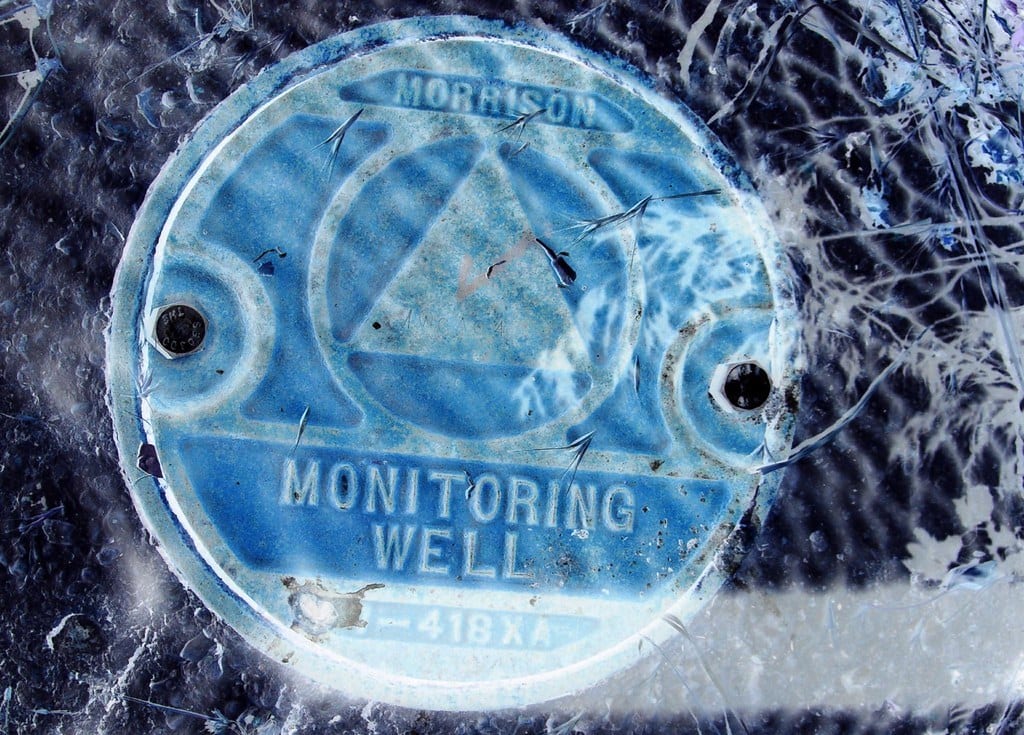
Low flow groundwater sampling is a valuable technique for obtaining accurate and representative groundwater samples while minimizing aquifer disturbance.
Challenges and Considerations:
- Well design and construction: Proper well design, including screen length and placement, is critical to ensure representative sampling and minimize the influence of unwanted zones.
- Monitoring equipment: High-quality monitoring instruments are essential to accurately measure and control the pumping rates, drawdown, and other variables.
- Sampling duration: Sufficient stabilization time is required to establish representative flow conditions at the sampling point.
Best Practices for Low Flow Groundwater Sampling
- Pre-sampling site characterization: Thoroughly understanding the hydrogeological conditions, including flow regimes and well construction details, is crucial for designing an effective low flow sampling strategy.
- Proper purging and stabilization: Consistent purging and stabilization practices, such as using dedicated sampling pumps and allowing sufficient drawdown recovery time, should be followed to establish representative flow conditions.
- Quality control: Regular calibration and maintenance of monitoring equipment, adherence to sampling protocols, and appropriate sample preservation techniques ensure the reliability of collected data.
- Data interpretation and reporting: Accurate interpretation of low flow sampling data requires consideration of site-specific hydrogeological conditions and potential biases associated with the method.
Geotech Bladder pumps: Bladder pumps are widely employed in low flow groundwater sampling due to their efficiency and reliability. These pumps operate based on the expansion and contraction of a flexible bladder to facilitate water extraction from the well. They offer several benefits in the sampling process:
- Accurate flow control: Bladder pumps provide precise control over the pumping rates, allowing for consistent low flow sampling. The flow rates can be adjusted to match the specific hydraulic conditions of the well and aquifer, ensuring representative sampling and minimizing disturbance.
- Minimal purging and stabilization time: Bladder pumps are designed to reach steady-state conditions quickly, reducing the time required for purging and stabilization. This efficiency enables rapid sampling campaigns and reduces the potential for sample bias due to prolonged purging.
- Ease of use and portability: Bladder pumps are typically lightweight and portable, allowing for easy deployment in various field conditions. They can be operated manually or with automated systems, providing flexibility in different sampling scenarios.
- Compatibility with low flow sampling requirements: Bladder pumps are specifically designed for low flow groundwater sampling, making them well-suited for achieving the objectives of low flow purging. Their ability to extract water at controlled rates while maintaining low drawdown facilitates accurate and representative sampling.
Other Products
Conclusion:
Low flow groundwater sampling is a valuable technique for obtaining accurate and representative groundwater samples while minimizing aquifer disturbance. By adhering to best practices and accounting for site-specific considerations, low flow sampling can provide reliable data for assessing groundwater quality, identifying potential contaminants, and informing effective environmental management strategies.
Ready to switch to low flow sampling?
Explore Geotech's bladder pumps, GeoSub 2, and Geopump peristaltic systems built for low flow groundwater sampling.